Land & Lot Clearing
Professional land and lot clearing services for construction projects, property development, and landscape renovation.
Preparing Your Property for New Projects
Whether you are preparing a lot for new construction, clearing space for a garden or lawn, or removing overgrown vegetation from a neglected property, professional land clearing makes the job much easier and faster. At Cloverhill Utica Tree Service, we have the equipment and expertise to clear properties of all sizes. From small backyard projects to multi-acre lots, we handle everything from tree removal to brush clearing, leaving your property ready for its next phase.
Land clearing is more than just cutting down trees. It involves removing stumps, grinding roots, clearing brush and undergrowth, hauling away debris, and often grading the land to create a level, usable surface. Attempting this work yourself with basic equipment would take weeks or months. With our professional machinery including excavators, bulldozers, forestry mulchers, and commercial wood chippers, we can complete most clearing projects in days. This saves you enormous time and effort while ensuring the job is done properly.
Common Land Clearing Projects
- Site preparation for new home construction or building additions
- Clearing overgrown properties for restoration or development
- Creating driveways, pathways, or access roads through wooded areas
- Removing brush and undergrowth to reduce fire hazards
- Preparing land for lawns, gardens, or agricultural use
- Clearing fence lines and property boundaries for better visibility
Our Land Clearing Process
Every land clearing project starts with a thorough site assessment. We walk the property with you to understand your goals and identify any challenges or special considerations. This includes noting property boundaries, locating underground utilities, identifying protected trees or wetlands, and assessing soil conditions. We also look for potential obstacles like large rocks, steep slopes, or drainage issues that might affect the clearing process. This assessment allows us to develop an accurate scope of work and provide a detailed estimate.
Before we begin clearing, we verify property boundaries to ensure we are only working within your property lines. We also contact utility companies to have underground lines marked. This prevents accidental damage to water, gas, electric, or communication lines. If permits are required for your project, we can help you understand what is needed and guide you through the application process. Some municipalities have regulations about tree removal, wetlands protection, or erosion control that must be followed.
Clearing Methods and Equipment
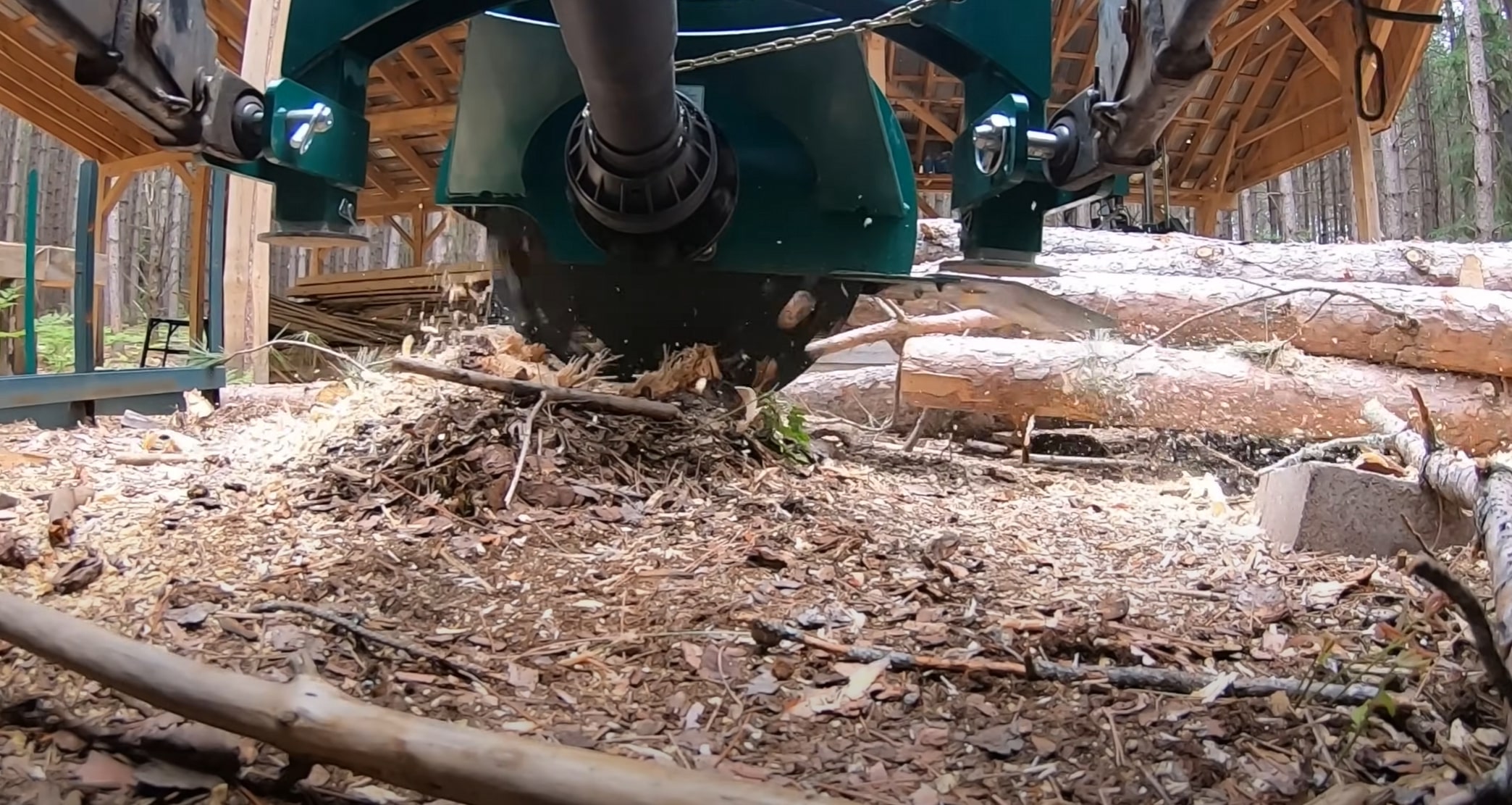
We use different clearing methods depending on the size of the project, the type of vegetation, and your plans for the land. For smaller projects or selective clearing, we use chainsaws and hand tools combined with stump grinding equipment. This approach gives us precise control over what is removed and what is preserved. For larger projects with dense vegetation, we may use forestry mulchers that can grind entire trees and brush into mulch in a single pass. This is extremely efficient for clearing overgrown properties or creating access roads.
For complete lot clearing where every tree and stump needs to be removed, we bring in excavators and bulldozers that can extract entire root systems. This provides the cleanest possible clearing and is essential for construction sites where the land needs to be completely level and free of organic material. After clearing, we can grade the land to create proper drainage and a level surface. All debris is either chipped on site and used as mulch, or hauled away and properly disposed of depending on your preference and local regulations.
Environmental Considerations and Best Practices
Responsible land clearing takes environmental impact into account. We follow best practices to minimize erosion, protect water quality, and preserve any trees or features you want to keep. When clearing on slopes or near water bodies, we implement erosion control measures such as silt fencing, straw bales, or temporary seeding to stabilize exposed soil. This prevents sediment from washing into storm drains, streams, or neighboring properties, especially during rain events.
We also look for opportunities to salvage valuable timber or create wildlife habitat from cleared material. Larger logs can be cut for firewood or milled into lumber if you are interested. Brush piles placed in out-of-the-way areas can provide habitat for beneficial wildlife. We recycle or repurpose materials whenever possible rather than simply sending everything to a landfill. This environmentally conscious approach benefits the local ecosystem while keeping disposal costs lower.
If your project involves clearing near wetlands, protected species habitat, or within a conservation area, special permits and protocols may apply. We have experience working in sensitive areas and can help ensure your project complies with all environmental regulations. Sometimes this means adjusting the clearing plan to maintain buffer zones, choosing specific clearing methods, or scheduling work during approved time periods. While these requirements may seem like obstacles, they protect valuable natural resources and can actually prevent future problems with your property.