Shrub & Hedge Trimming
Professional shrub and hedge trimming services to keep your landscape neat, healthy, and attractive.
Maintaining Beautiful Shrubs and Hedges
Shrubs and hedges are essential elements of most landscapes. They provide privacy, define property boundaries, frame your home, and add color and texture to your yard. But these plants need regular trimming to look their best and stay healthy. Overgrown shrubs can become leggy and unattractive, block windows and walkways, and even damage your home's foundation or siding. At Cloverhill Utica Tree Service, we provide professional shrub and hedge trimming that keeps your landscape looking manicured and well maintained all season long.
Professional trimming is about more than just making plants look neat. Proper pruning techniques encourage dense, healthy growth and help plants maintain their natural form. Poor pruning creates bare spots, weak growth, and plants that look butchered rather than shaped. We understand how different shrub species respond to pruning and use techniques that work with each plant's natural growth habit. The result is shrubs and hedges that look professionally maintained, not hacked at with hedge trimmers. Your landscape will have that polished, cared-for appearance that enhances your property's curb appeal.
Benefits of Regular Shrub Trimming
- Maintains neat, attractive appearance and enhances curb appeal
- Encourages dense, full growth and prevents leggy, bare branches
- Keeps plants in proper scale relative to buildings and other landscape features
- Improves flowering and fruiting on many ornamental shrub species
- Prevents damage to homes, windows, and structures from overgrown branches
- Reduces pest and disease problems by improving air circulation
Our Trimming Approach and Techniques
We tailor our trimming methods to each type of shrub and your goals for your landscape. Formal hedges that are meant to be geometric and precise receive different treatment than informal plantings that should look more natural. Flowering shrubs are pruned at specific times to maximize blooms and are shaped differently than evergreen foundation plantings. We also consider the maturity of the plants, with young shrubs receiving formative pruning to develop good structure and mature plants receiving maintenance pruning to preserve their shape and health.
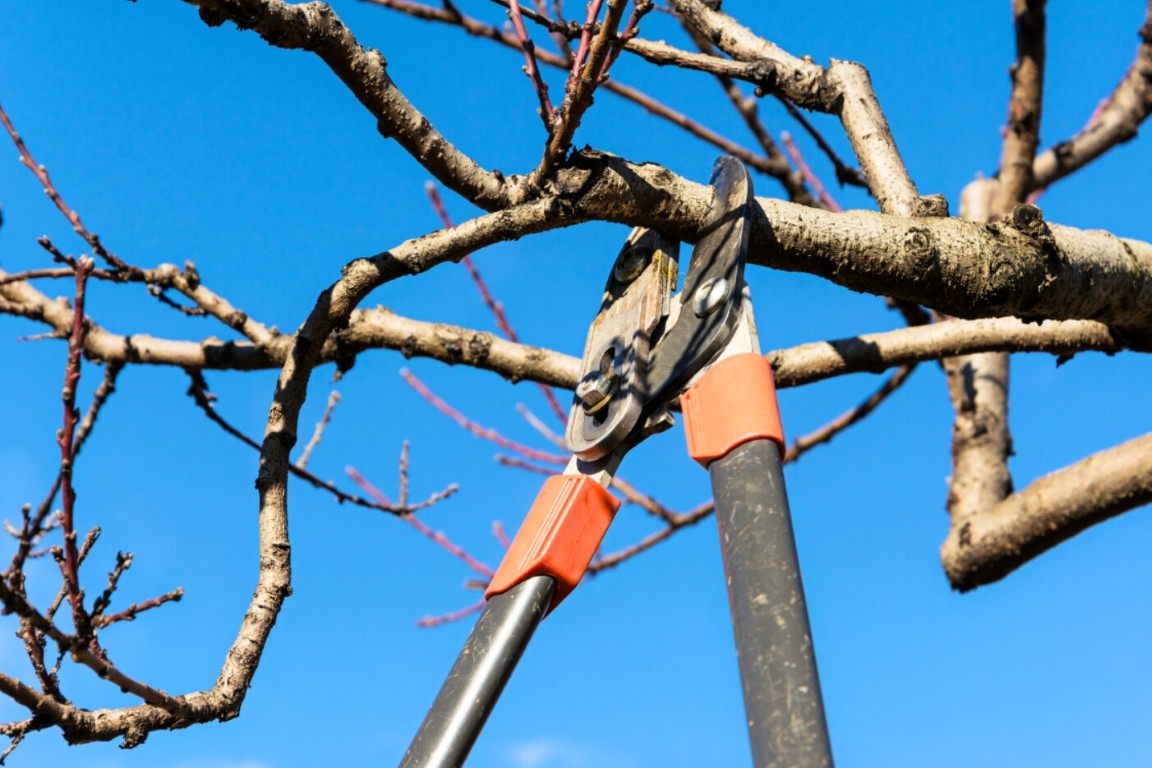
For formal hedges, we use professional hedge trimmers and hand shears to create clean, straight lines and smooth surfaces. We work carefully to maintain consistent height and width along the entire hedge. The bottom should be slightly wider than the top to allow sunlight to reach lower branches and prevent bare spots at the base. For informal shrubs, we use hand pruners and loppers to selectively remove branches, maintaining the plant's natural form while controlling size. This selective pruning looks much more natural than shearing and is healthier for the plant.
Timing and Frequency
The timing of shrub pruning depends on what type of plants you have and your goals. Most evergreen shrubs and formal hedges can be trimmed throughout the growing season, typically requiring maintenance every 6 to 8 weeks during active growth. Spring-flowering shrubs like lilacs, forsythia, and azaleas should be pruned right after they finish blooming, as they set flower buds for next year on new growth. Summer-flowering shrubs can be pruned in late winter or early spring before growth begins.
We offer seasonal maintenance programs that include regular shrub and hedge trimming throughout the year. This ensures your landscape always looks its best without you having to worry about scheduling or doing the work yourself. Regular maintenance is much easier and more cost effective than letting plants become severely overgrown and then trying to bring them back under control. Overgrown shrubs sometimes cannot be restored to a good shape and must be replaced, which is far more expensive than regular maintenance would have been.
Renovation and Rejuvenation Pruning
Sometimes shrubs become so overgrown or neglected that standard trimming is not enough. Renovation pruning is a more drastic approach that cuts plants way back to stimulate new growth from the base. This technique works well on many deciduous shrubs that have become leggy, misshapen, or too large for their space. We cut these plants back to 6 to 12 inches from the ground in late winter. They look drastic at first, but most species respond by sending up vigorous new shoots that can be shaped properly as they grow.
Not all shrubs tolerate severe pruning, so we evaluate each plant before recommending renovation. Some plants like yews, boxwoods, and many deciduous flowering shrubs can handle hard pruning and respond beautifully. Others like conifers or certain evergreens may not regenerate from old wood and can be permanently damaged or killed by severe pruning. For these plants, gradual reduction over several years is a safer approach. We can advise you on the best strategy for your specific shrubs based on their species and condition.
If renovation pruning is not successful or if shrubs are too far gone to save, we can recommend and install replacement plants. Sometimes starting fresh with new shrubs that are properly sized for their location is more cost effective than repeatedly trying to control oversized plants. We can help you select replacement shrubs that will suit your needs and maintain appropriate size with reasonable maintenance. This is also an opportunity to update your landscape with newer varieties that may have better disease resistance, more attractive forms, or better seasonal interest than older plants.