Tree Trimming & Pruning
Expert tree trimming and pruning services to keep your trees healthy, beautiful, and safe.
Why Regular Trimming and Pruning Matters
Tree trimming and pruning are essential maintenance tasks that keep your trees healthy, attractive, and safe. Many property owners think pruning is just about making trees look nice, but it is much more than that. Proper pruning improves tree structure, removes dead or diseased branches, increases sunlight penetration, and reduces the risk of storm damage. At Cloverhill Utica Tree Service, we understand that each tree species has unique pruning requirements and timing considerations. Our certified arborists know exactly how and when to prune your trees for maximum health and beauty.
In Utica, our weather puts unique stress on trees. Heavy snow loads, ice storms, and high winds can break weak branches and damage tree structure. Regular pruning removes these vulnerable branches before they become a hazard. It also encourages strong branch attachment and proper weight distribution throughout the tree. Well-pruned trees are more resistant to storm damage and have a much longer lifespan than neglected trees. Think of pruning as preventive maintenance that protects your investment in your landscape.
Benefits of Professional Pruning
- Improves tree health by removing dead, diseased, or damaged branches
- Enhances tree structure and prevents weak branch attachments
- Reduces risk of falling branches during storms and high winds
- Increases sunlight and air circulation throughout the canopy
- Improves views and clearance around buildings and power lines
- Maintains tree shape and enhances overall landscape appearance
Our Pruning Techniques and Standards
Not all tree trimming is created equal. Improper pruning techniques can permanently damage trees or even kill them. Unfortunately, we see poorly pruned trees all the time. Some companies use harmful practices like tree topping, lion tailing, or making flush cuts that leave trees vulnerable to disease and decay. We follow ANSI A300 pruning standards, which represent the industry best practices for professional tree care. These standards are based on decades of research into tree biology and proper pruning methods.
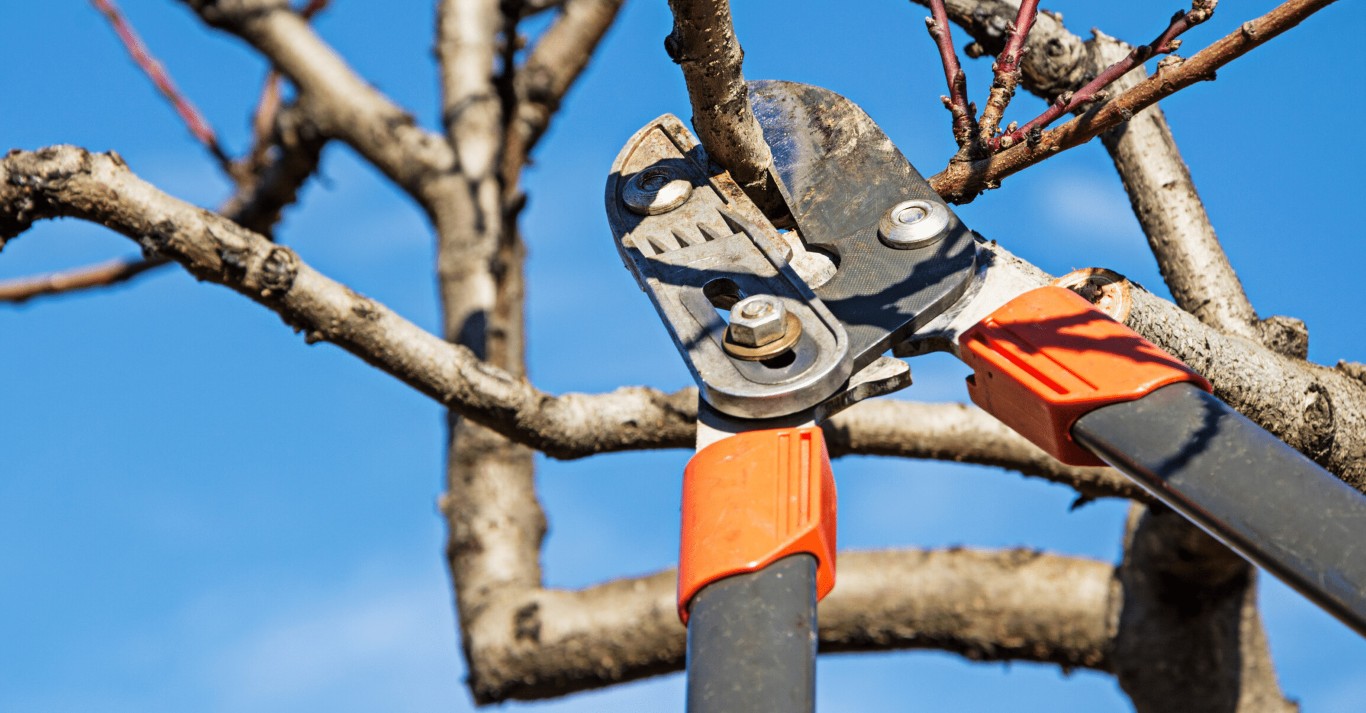
Our certified arborists understand tree growth patterns and how trees respond to pruning cuts. We make precise cuts at the proper locations to promote rapid healing and minimize stress on the tree. For larger branches, we use the three-cut method to prevent bark tearing. We maintain the natural shape of the tree while achieving your goals for safety, clearance, and appearance. Every cut we make has a purpose, and we never remove more than necessary. Good pruning is invisible in the sense that the tree looks natural and healthy, not butchered or over-pruned.
Types of Pruning We Offer
We provide several types of pruning depending on your needs and the condition of your trees. Crown cleaning removes dead, dying, diseased, and weakly attached branches. This is the most common type of maintenance pruning and is recommended for most mature trees on a 3 to 5 year cycle. Crown thinning selectively removes branches to increase light penetration and air movement while maintaining the tree's natural shape. This is especially helpful for trees that have become too dense or are blocking views.
Crown raising removes lower branches to provide clearance for buildings, vehicles, pedestrians, or sight lines. This is often needed for street trees or trees near driveways and walkways. Crown reduction decreases the height or spread of a tree using proper reduction cuts that maintain the tree's form. This is sometimes necessary when a tree has outgrown its space. Structural pruning develops a strong tree structure in young trees by selecting the best permanent branches and removing competing or poorly attached branches. Specialty species work, like palm tree trimming, follows its own set of techniques distinct from standard deciduous tree pruning. This is one of the best investments you can make in a young tree.
Best Times for Pruning in Utica
Timing matters when it comes to pruning trees. The best time to prune most trees is during their dormant season in late winter or early spring before new growth begins. Pruning during dormancy has several advantages. Trees have maximum stored energy reserves, wounds close rapidly when growth begins in spring, and there is less risk of disease transmission. It is also easier to see the tree's structure without leaves, allowing for better pruning decisions. We typically schedule most of our pruning work from January through March when trees are fully dormant.
However, there are exceptions to this rule. Dead, damaged, or hazardous branches should be removed immediately regardless of season. Some trees, like maples and birches, are heavy bleeders and are better pruned in summer when they bleed less. Flowering trees should be pruned based on when they bloom. Spring blooming trees like magnolias should be pruned right after flowering, while summer blooming trees can be pruned in late winter. Oak trees should not be pruned during the growing season in areas where oak wilt is present. Our arborists understand these timing considerations and will recommend the optimal pruning schedule for your specific trees.
Regular maintenance pruning keeps your trees in great shape and prevents the need for more drastic corrective pruning later. We recommend having your mature trees inspected annually and pruned every 3 to 5 years depending on the species and growth rate. Young trees benefit from structural pruning every 2 to 3 years to develop strong form. If you are not sure when your trees were last pruned or if they need attention, we offer free consultations. We will assess your trees and provide honest recommendations based on their condition and your goals. Not every tree needs pruning every year, and we will never recommend unnecessary work just to generate revenue.